
You typed “crackstube” into Google. Maybe a friend dropped it in a chat. Maybe it popped up in a forum thread about free software. Now you want a clear answer. Is it slang? Is it a site? And what happens if you click?
Here is the plain version. Crackstube is not a texting code. It points to websites that hand out cracked software, meaning paid apps with the license check stripped out. This guide covers what that means and why it can hurt you. You will also see better ways to get the tools you need.
Crackstube Meaning
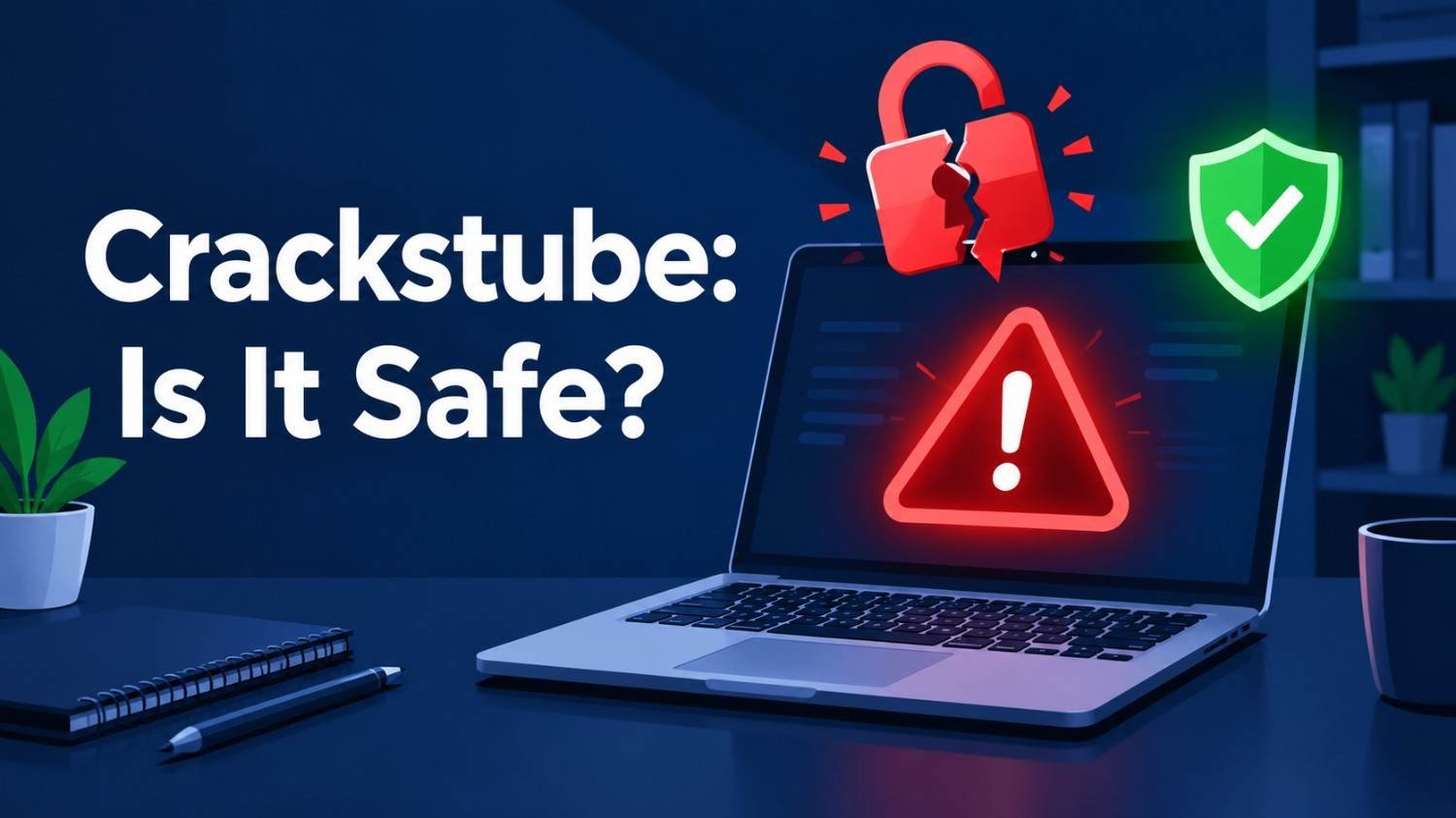
Crackstube is a name linked to websites that share cracked software, such as pirated copies of paid apps, games, and tools. These downloads break copyright law. They also carry a high risk of malware, stolen data, and system damage. Free legal alternatives and official trials are the safer choice.
What Is a Crackstube?
Think of it as a catalog. A Crackstube-style site lists popular programs and promises the full paid version at no cost. Photo editors, video editors, antivirus tools, and office suites show up a lot. Each page has a big download button and a short pitch.
The name has two parts. “Crack” is a file or patch that removes the license check from an app. “Tube” is borrowed from video sites and suggests easy browsing. Put them together and you get a place built to find cracks fast.
So when people say “crackstube,” they mean a source for pirated software. They do not mean a person or a mood. They do not mean a message you might get from a crush. That is where many searchers get mixed up.
Is Crackstube Slang or a Website?
Plenty of people search odd words because they assume they are slang. It is a fair guess. New terms spread fast on TikTok and Discord. Google sees thousands of “what does this mean in a text?” searches every day.
Crackstube does not belong in that group. Nobody sends it as a reply. You will not hear it in a dating chat or a school hallway. It points to a download resource.
People usually bump into the term in one of three ways:
- A friend or video mentions it as a spot for free software.
- A forum thread lists it among “free full version” sites.
- A search for a paid app brings up a page with that name.
All three roads lead to the same place, which is software piracy. A slang-style definition would not help you. You need to know what these sites offer and what they can do to your device.
What Does Cracked Software Actually Mean?
Most paid apps check your license. You type in a key or sign in with an account. The app confirms you paid and then runs. If the check fails, you get a trial notice or a locked screen.
A crack tricks that check. Someone edits the code so the app believes it is licensed. Then they share the edited version with anyone who wants it.
You will see a few terms again and again:
- Crack: a file that replaces part of the app to skip the license check.
- Keygen: a tool that makes fake license keys.
- Patch: a small edit applied to an installed program.
- Repack: a rebuilt installer that bundles the app with the crack.
- Activator: a tool that fakes a license server.
Look at that list again. Every item asks you to run a file from a stranger. Most of them also tell you to switch off your antivirus first. That detail is the real red flag.
Why Cracked Software Is a Security Risk
Ask yourself who makes cracks. Not charities. These people spend hours breaking software and then give it away. Some want fame in piracy circles. Plenty want money. And that money has to come from somewhere.
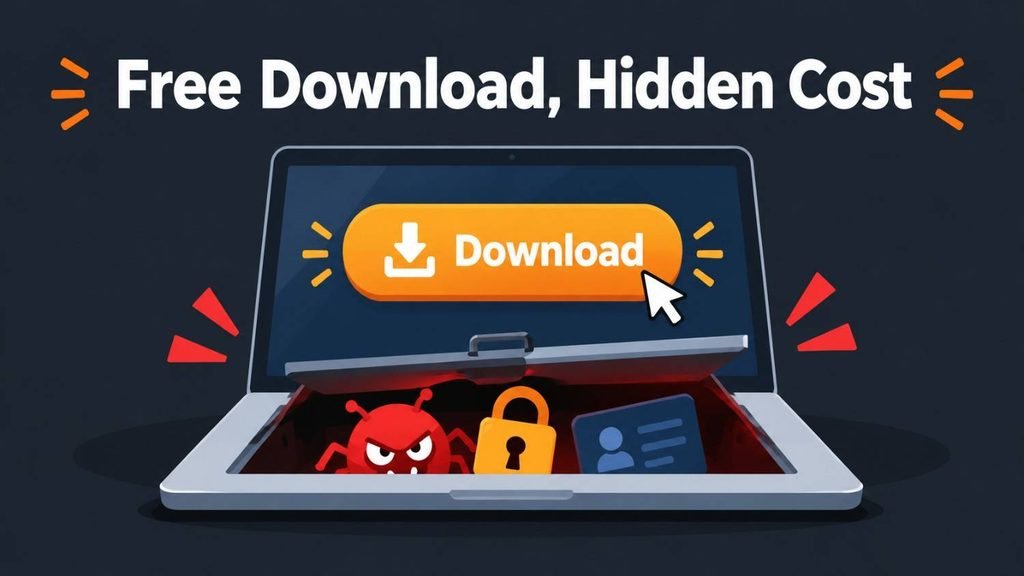
Here is how the trap works. A crack needs high-level access to run. It tells you to turn off your security tools. Once you do that, the file can do whatever it likes on your machine. Bad actors know this well and tuck harmful code inside.
The BSA (The Software Alliance) tracks unlicensed software use around the world. Its research has found that a large share of installed software is still unlicensed. It also links unlicensed software to a higher chance of malware. That link is no accident. Attackers go where the crowd is.
Malware and Ransomware
The two most common hidden payloads are trojans and ransomware. A trojan looks like a handy tool but opens a back door. Ransomware locks your files and demands payment. Either one can ride along inside a cracked installer.
Picture a cracked photo editor. You save a few dollars today. Next week your family photos are locked behind a ransom note. That trade costs far more than the real app ever would.
Stolen Passwords and Personal Data
Another favorite is the infostealer. It digs through your browser for saved passwords and cookies. It also hunts for crypto wallets and banking sessions. Then it ships everything to the attacker.
You may not notice for weeks. Then an account gets drained or locked. Many victims never link the loss to the free download they ran earlier.
Crypto Miners and Slow Computers
Some cracks install a hidden miner. It borrows your processor to earn money for someone else. Your fan gets loud. Your laptop runs hot. Battery life drops fast. Your power bill can creep up too.
No Updates and Broken Features
Even a clean crack has a weak spot. You cannot update it safely. An update would wipe the patch or bring the license check back. So you stay on an old version. Old versions often have known security holes.
You also lose cloud features. Many modern apps rely on an account for sync and AI tools. Cracked copies usually break those parts.
Cracked vs Licensed vs Free Alternatives
This table shows how the three options stack up for an everyday user.
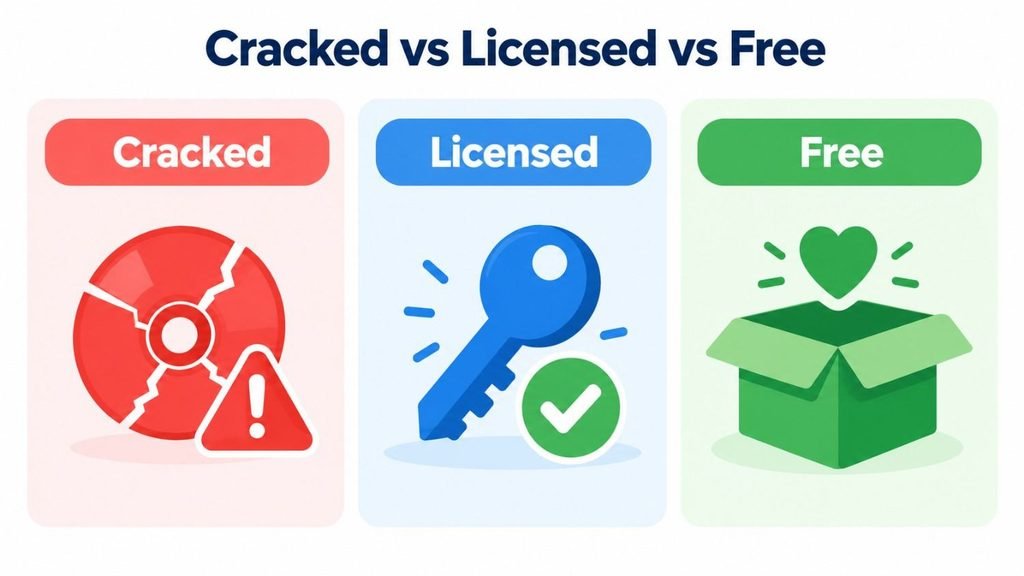
| Feature | Cracked Software | Licensed Software | Free Legal Alternative |
|---|---|---|---|
| Cost | Free upfront | Paid | Free |
| Legal status | Illegal in most countries | Legal | Legal |
| Malware risk | High | Very low | Low from the official site |
| Updates | Usually blocked | Automatic | Automatic |
| Support | None | Official help | Community help |
| Cloud features | Often broken | Full access | Varies |
The pattern is hard to miss. Cracked copies win on one thing only, and that is the sticker price. They lose on everything else.
Is It Legal to Use Crackstube?
In most countries the answer is no. Copyright law protects software the same way it protects books and music. Using a cracked copy means using a work without paying its owner. Sharing it makes things worse.
Rules differ by country. Some governments go after individual users. Others focus on the people who run the sites. Either way the downloader gets no protection. Schools and employers can also punish anyone who runs pirated tools on their network.
Businesses face extra danger. A company running cracked software risks audits and fines. It also risks leaking client data. For a small shop, one bad file can wreck customer trust.
The Federal Trade Commission has warned for years that grabbing files from untrusted places is a common way for scams and malware to reach home users. Its advice is simple. Get software from the maker or a trusted store.
Why People Search for CrackTube
Let’s be fair for a moment. Most people who search for this are not criminals. They are students and new freelancers. They are hobbyists who want to test a design tool before spending real money.
Price is a real barrier. One professional app can cost more than a month of rent in some places. Subscriptions keep the bill coming every month. So people hunt for a shortcut.
I get it. But the shortcut comes with a hidden bill. It is like buying a lock from a stranger who might keep a copy of the key. You save money at the counter and pay later in worse ways.
The good news is that you rarely need the shortcut. The next sections show how to get the same results legally.
Safer Alternatives to Cracked Software
Almost every popular paid app has a free or cheap rival. Many are excellent. Some pros use them every single day.
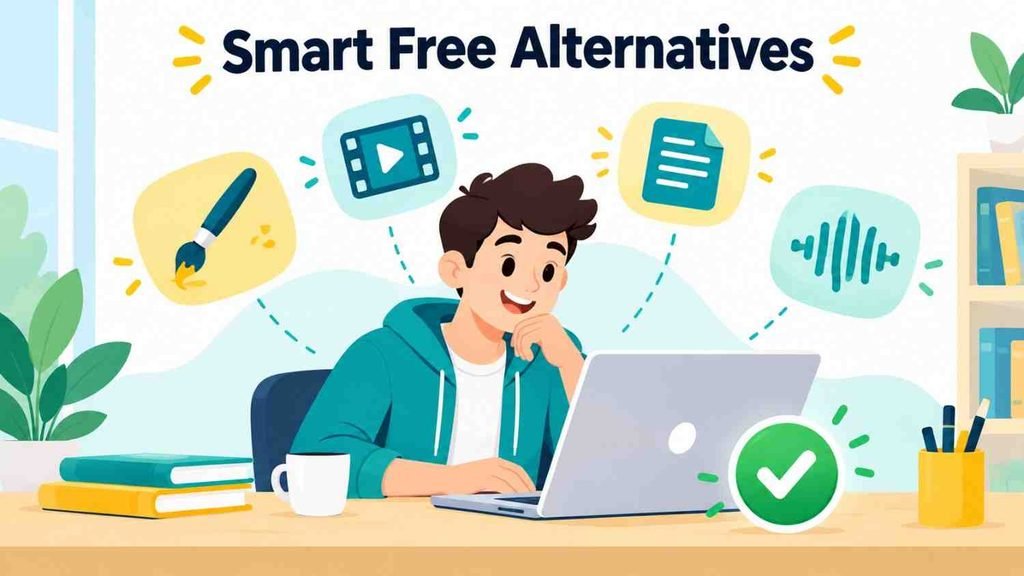
Here are a few common swaps:
| Paid Software | Free Legal Alternative | Best For |
|---|---|---|
| Adobe Photoshop | GIMP or Krita | Photo editing and digital art |
| Adobe Premiere Pro | DaVinci Resolve free version | Video editing |
| Microsoft Office | LibreOffice or Google Docs | Documents and sheets |
| AutoCAD | FreeCAD or LibreCAD | Drafting and design |
| Adobe Illustrator | Inkscape | Vector graphics |
| Paid audio suites | Audacity | Audio editing |
None of these needs a crack. You get them from the official project sites. They get regular updates. And you never have to turn off your antivirus.
Other Legal Ways to Save Money
You have more choices than you might think:
- Use the free trial first. Most apps give 7 to 30 days.
- Ask about student or teacher discounts.
- Look for nonprofit and startup pricing.
- Buy an older version at a lower price.
- Pick a monthly plan and cancel when the project ends.
- Check whether your school or job already pays for a license.
A trial hands you the real product with zero risk. For most “I just need to test it” cases, that settles the matter.
How to Spot a Risky Download Site
You will meet many sites like the one this article covers. They share the same warning signs. Learn them once, and you can protect yourself on any page.
- The page promises a full paid app for free.
- It tells you to turn off antivirus or Windows Defender.
- The real download button hides among many fake ones.
- The file comes as a zip with a password.
- The installer looks tiny for such a big program.
- Pop-ups push you to install extra tools.
- The site lists no owner or contact details.
Spot two or more of these and close the tab. No free app is worth that gamble.
What to Do If You Already Downloaded Something
Stay calm. Plenty of people have been here. Moving fast limits the damage.
Work through these steps in order:
- Disconnect the device from the internet.
- Run a full scan with a trusted security tool.
- Delete the cracked file and any program it installed.
- Change your passwords from a different clean device.
- Turn on two step verification for email and banking.
- Check bank and card statements for odd charges.
- If the scan finds serious malware, reset the device.
On a work device tell your IT team right away. A quick report beats a hidden breach every time.
The Cybersecurity and Infrastructure Security Agency in the United States publishes public guidance on safe software habits and malware cleanup. Its advice matches the steps above. Keep your system updated and install only from trusted sources.
Where the Word “Crack” Comes From
Software cracking goes back to the early days of home computers. In the 1980s companies added copy protection to floppy disks. Young programmers saw that protection as a puzzle and loved breaking it. The groups that did this became known as the cracking scene.
Over time it grew into its own culture. Groups raced to release a cracked version first. They attached short intro screens with their names. Those little animations turned into an early form of digital art.
Today the scene is less about pride and more about profit. Many crack sites earn money from ads. Some earn money by bundling malware. That shift is why modern cracks are far riskier than the old ones.
How Search Engines and AI Tools Treat This Topic
Search for a crack site and you will see a mix of results. Some are news stories about piracy and security warnings. Some are the sites themselves. Search engines try to lift the helpful and safe pages. Still some weak pages slip through.
AI assistants tend to be careful here too. They will not point you to pirated files. They can explain the risks and suggest other options. That makes them a handy quick check before you click anything.
Conclusion
Crackstube is not a texting term or a slang code. It is a name tied to sites that offer cracked software. Those files strip the licence checks from paid apps. They also break copyright law in most places.
The real cost is not the free price tag. It is the chance of malware, stolen passwords and a sluggish device. Add the missing updates and the legal trouble and the deal falls apart fast.
Your best move is simple. Try the official free trial. Look at a free tool such as GIMP, LibreOffice or DaVinci Resolve. Check for a student or small business discount. You will get the work done and keep your data safe. And you will never wonder what is hiding inside the installer.
FAQs
What does crackstube mean?
Crackstube refers to a type of website that shares cracked software. It is not slang. The files remove licence checks from paid programs and are usually pirated.
Is crackstube safe to use?
No. Cracked downloads often hide malware, ransomware or password stealers. They also block updates. Official trials or free legal tools are much safer.
Is downloading cracked software illegal?
In most countries yes. Cracked software breaks copyright law. Users and site owners can face fines or other penalties depending on local rules.
Why do antivirus programs flag cracks?
Cracks edit program code and behave like malware. Security tools flag them because many hold real threats. Never turn off protection to run one.
What are good free alternatives to paid software?
Try GIMP or Krita for photos and LibreOffice for documents. DaVinci Resolve handles video and Inkscape covers vector design. All are free and legal.